
Bathroom remodel costs breakdown (including permit fees) with Legacy Home Solutions
Embarking on a bathroom renovation is an exciting journey. You might be envisioning a spa-like retreat with a rainfall shower, radiant heated floors, and a gorgeous double vanity. However, before the first tile is demolished, reality usually sets in: how much is this actually going to cost?
If you have ever searched for a generic bathroom remodel costs estimator online, you have likely been frustrated by incredibly broad price ranges. The truth is, a beautiful, durable bathroom requires a symphony of skilled trades, quality materials, and meticulous planning. To avoid budget blowouts, you need a realistic, line-by-line understanding of where your money is going.
This comprehensive bathroom remodel costs breakdown (including permit fees) will demystify the financial side of your renovation. We will explore everything from contractor margins and plumbing rough-ins to municipal fees and luxury finishes, equipping you with the knowledge to plan a flawless and financially sound project.
The Big Picture: Understanding Bathroom Remodel Costs
Before diving into the microscopic details, it is vital to understand the broad strokes of bathroom remodel costs. The total price tag of your project is heavily influenced by two primary factors: the scope of the room and the footprint of the space.
The square footage impact on renovation estimates cannot be overstated. A larger room requires more flooring, more paint, more lighting, and often larger fixtures, which exponentially increases both material and labor costs.
Furthermore, the function of the room dictates the budget. When comparing master ensuite vs powder room remodel costs, the difference is staggering. A powder room typically only requires a toilet, a small vanity, a mirror, and basic lighting. Because there is no bathing area, you eliminate the need for complex waterproofing, shower glass, and extensive tile work. On the other hand, master bathroom remodel costs can easily rival the price of a mid-sized kitchen renovation. Master baths often feature soaking tubs, double vanities, custom walk-in showers, and high-end lighting layouts.
While a budget powder room might cost between $2,500 and $5,000, a complete tear-out of a master bathroom can easily range from $25,000 to well over $50,000 depending on your location and taste.
Navigating Red Tape: Permits and Municipal Fees
One of the most frequently overlooked line items in a renovation budget is the cost of municipal compliance. Many homeowners ask, "How much do bathroom permits cost?" The answer is highly dependent on where you live and the scope of your project.
If you are simply swapping out a vanity and repainting, you likely will not need a permit. However, if your project involves moving plumbing lines, rewiring electrical circuits, or altering load-bearing walls, permits are legally required.
- Plumbing Permits: Usually required for relocating drains or installing new fixtures.
- Electrical Permits: Necessary for new lighting, moving outlets, or upgrading circuits.
- Building/Structural Permits: Required if you are expanding the bathroom into an adjacent closet or bedroom.
Local municipal building code fees can range anywhere from $150 in a rural town to over $1,500 in a densely populated metropolitan area. Your general contractor will usually pull these permits for you, but the cost will be passed directly to your final bill. Never skip this step; unpermitted work can result in hefty fines, forced tear-outs, and significant complications when it comes time to sell your home.
The Hidden Backbone: Labor and Contractor Fees
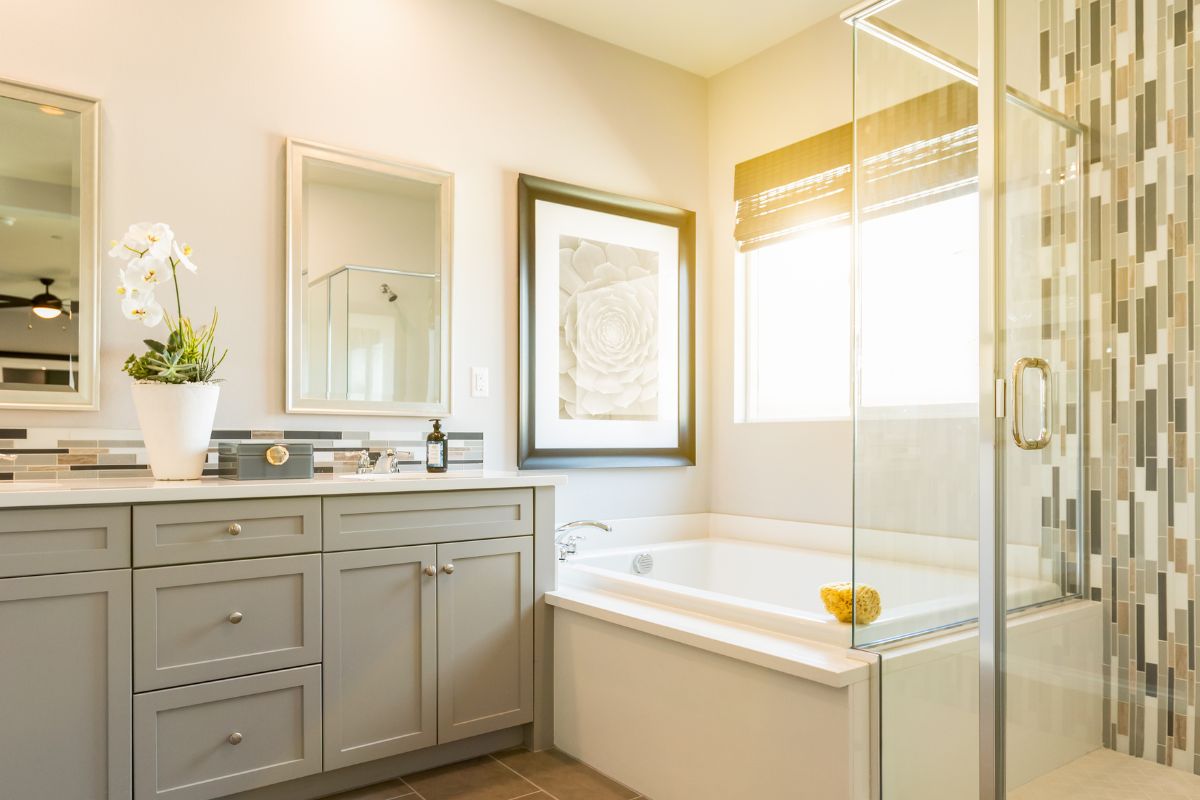
The materials you choose—the tile, the tub, the faucets—are only half of the equation. The people installing them represent a massive portion of your budget.
General Contractor Margins
If you hire a General Contractor (GC) to manage the project, coordinate the trades, and oversee quality control, you are paying for their expertise and project management. General contractor overhead and profit margins typically account for 15% to 25% of the total project cost. While this might seem like a large sum, a good GC keeps the project on schedule, ensures code compliance, and deals with the inevitable headaches so you do not have to.
Skilled Trades: Plumbing and Electrical
Bathrooms are the most heavily plumbed and wired rooms per square foot in your home. You will be relying on licensed professionals to ensure everything operates safely.
- Plumbers: The average plumbing labor rates per hour generally fall between $85 and $150, though this can spike to $200+ in high cost-of-living urban areas. Plumbers will need to visit the site at least twice: once for the "rough-in" (installing pipes behind the walls) and once for the "trim-out" (connecting the physical toilets, sinks, and showerheads).
- Electricians: Similar to plumbers, electricians charge between $75 and $130 per hour. Bathrooms require specialized electrical work, including GFCI outlets and proper ventilation fans to prevent mold.
Demolition, Prep, and Unforeseen Repairs
Before you can build your dream bathroom, you have to tear the old one down. Demolition is labor-intensive and messy.
Waste Removal
Many homeowners forget to budget for debris removal and dumpster rental expenses. Depending on the size of the dumpster and municipal landfill fees, expect to spend between $300 and $700 just to haul your old bathroom away. Heavy materials like cast iron tubs or layers of old floor tile can incur additional overweight fees.
The Hidden Horrors: Water Damage
Once the old tile and subfloor are ripped up, contractors often discover the ghost of leaks past. Bathrooms are wet environments, and older homes are notorious for hiding rot around the toilet flange or beneath the shower pan. Subfloor water damage repair costs can easily add $500 to $1,500 to your budget. This involves cutting out the rotted wood, reinforcing the floor joists, and installing a new, structurally sound plywood subfloor.
Behind the Walls: Layout Changes and Upgrades
If your current bathroom layout works, keep it. Leaving the toilet, shower, and vanity exactly where they are is the number one way to save money on a renovation. However, if your layout is cramped or dysfunctional, changes are necessary—and costly.
Moving Plumbing
The cost to relocate toilet and shower drains is one of the most expensive phases of a remodel. Moving a toilet drain requires re-routing a massive 3-inch or 4-inch waste pipe. If your bathroom is on a concrete slab, this means jackhammering the floor, trenching the concrete, laying new pipe, and pouring new concrete. Even with a wood subfloor, navigating plumbing through floor joists takes considerable time. Expect to pay anywhere from $1,000 to $3,500+ simply to shift your major plumbing fixtures to a new wall.
Upgrading Electrical
Modern bathrooms demand more power than their older counterparts. If you are dreaming of stepping out of the shower onto a warm tile floor, you will need an electrical circuit upgrade for heated floors. Radiant heating systems draw significant amperage. Your electrician will likely need to run a dedicated circuit directly from your main electrical panel to the bathroom, which can cost between $400 and $1,000 depending on the distance and accessibility of the panel.
The Wet Zone: Showers, Tubs, and Waterproofing
The shower is the focal point of most master bathroom remodels, and it is also where the highest concentration of labor and specialized materials resides.
Waterproofing is Non-Negotiable
You can buy the most beautiful, expensive tile in the world, but if the wall behind it is not waterproofed correctly, your shower will fail. Modern contractors have largely moved away from basic plastic sheeting and drywall, opting instead for advanced waterproofing systems. Waterproofing and vapor barrier material costs (using premium systems like Schluter-Kerdi, Wedi, or liquid-applied membranes like RedGard) will add $500 to $1,500 to your materials list. However, this investment guarantees a leak-proof shower that will last for decades.
Tile Installation
Once the waterproofing is complete, the tile work begins. Custom walk-in shower tile installation prices vary wildly based on the complexity of the design.
- Large Format Tile: Faster to install, generally cheaper on labor.
- Mosaic or Subway Tile: Requires hundreds of individual cuts, spacers, and meticulous alignment, driving labor costs up.
- Custom Niches and Benches: Building in a shampoo niche or a custom shaving bench requires intricate framing, waterproofing, and precision tile cuts.
Tile setters typically charge by the square foot (ranging from $15 to $40+ per square foot for labor alone) or by the day. A fully custom, intricately tiled walk-in shower can easily cost between $4,000 and $10,000 in combined materials and labor.
Fixtures, Finishes, and Countertops: The Visible Brilliance
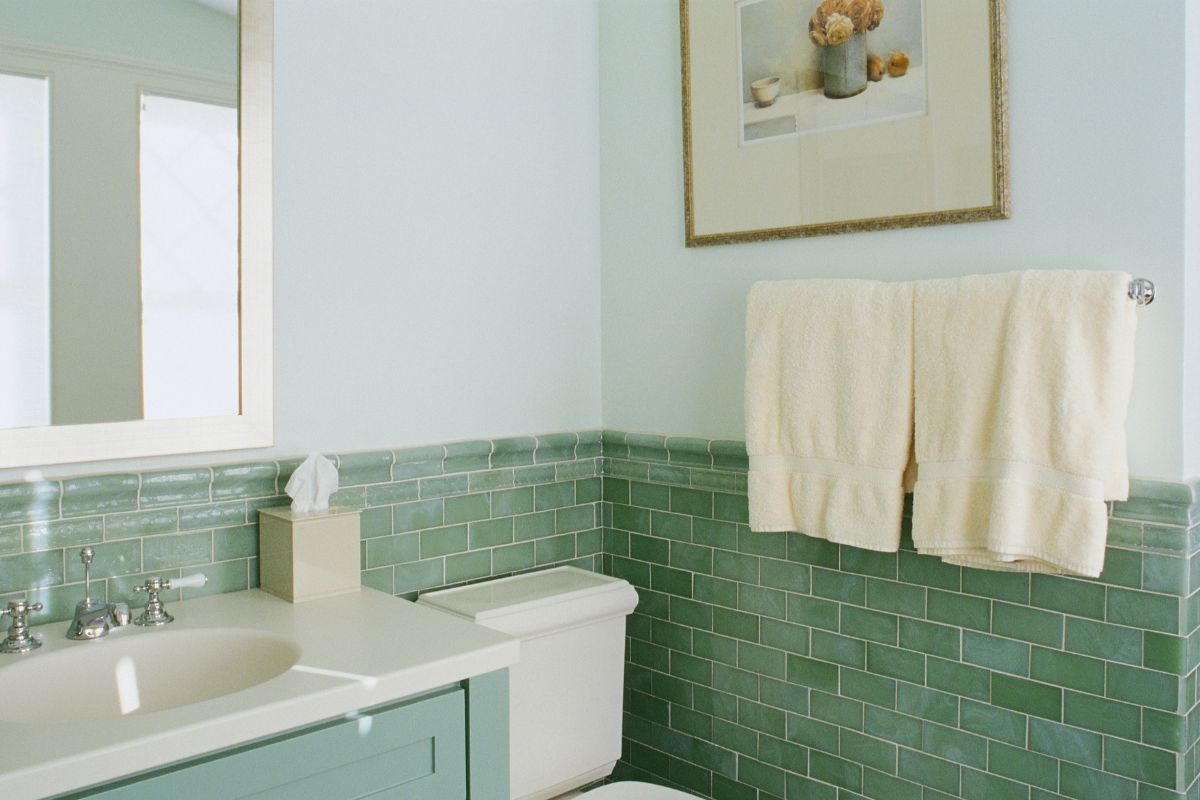
This is the phase where your personal style shines, but it is also where budgets can spiral out of control if you are not careful.
Fixture Economics
When selecting faucets, showerheads, and hardware, a luxury vs budget fixture price comparison reveals massive disparities.
- Budget Tier: Box-store brand chrome fixtures might cost $100 for a sink faucet and $150 for a shower trim kit. They look great initially but often utilize internal plastic components that may wear out in a few years.
- Mid-Range: Reputable brands (like Moen, Delta, or Kohler) offer solid brass internal construction with durable finishes like brushed nickel or matte black. Expect to pay $200-$400 for a faucet and $300-$600 for a shower system.
- Luxury Tier: Designer brands (like Brizo, Newport Brass, or Waterstone) featuring custom finishes like unlacquered brass or polished nickel can cost upwards of $800 for a single sink faucet and several thousand dollars for a complete thermostatic shower system.
Vanity and Countertops
Your vanity is a major anchor piece. While big-box stores offer pre-fabricated vanities with integrated sinks for $500 to $1,500, custom cabinetry can cost anywhere from $2,000 to $6,000+.
When it comes to the top of that vanity, understanding premium quartz vs granite countertop pricing will help you make an informed decision.
- Granite: A natural stone that offers unique, one-of-a-kind veining. It requires periodic sealing to prevent stains. Prices typically range from $50 to $100 per square foot, installed.
- Premium Quartz: An engineered stone made from crushed quartz and resins. It is non-porous, incredibly durable, and requires zero maintenance. Premium quartz with intricate veining (mimicking high-end marble) usually costs between $75 and $150+ per square foot installed.
For a standard double vanity, expect to spend between $1,000 and $2,500 on the countertop alone.
If you already took care of your bathroom and you are ready for your kitchen renovation, click here to learn more!
Planning for the Unexpected: Contingencies
If there is one absolute truth in home remodeling, it is that nothing goes exactly according to plan. Materials get delayed, a pipe gets nicked during demolition, or you decide mid-project that you absolutely must have the upgraded sconce lighting. This is why a contingency fund is critical.
Learning how to calculate a renovation contingency budget is simple: take your total estimated project cost and add 15% to 20%. If your contractor estimates the project will cost $20,000, you need to have $23,000 to $24,000 sitting in the bank, ready to be deployed.
Pro Tip for Managing Contingencies: Do not tell your contractor your contingency amount. Your budget is $20,000. The extra 20% is your private safety net. If you discover mold behind the drywall, you tap into the contingency. If the project finishes perfectly on budget with no surprises, you now have a fantastic head start on your next home improvement project or a well-deserved vacation.
Actionable Tips for Keeping Your Budget on Track
To summarize the budgeting process, here are a few actionable strategies to ensure your bathroom remodel doesn't drain your finances:
- Finalize Everything Before Demo: Do not allow a hammer to swing until every tile, faucet, and light fixture is selected, ordered, and preferably sitting in your garage. Change orders mid-project are the fastest way to drain your contingency budget.
- Keep the Footprint: As mentioned earlier, avoiding the relocation of major plumbing drains is the easiest way to save thousands of dollars in plumbing and framing labor.
- Mix High and Low: You do not have to buy the most expensive option for every category. Splurge on the things you touch every day (like a high-quality shower valve or a premium quartz vanity top) and save money on things like standard ceiling lighting or basic ceramic floor tiles.
- Do the Demo Yourself: If you are reasonably handy and willing to sweat, ask your contractor if you can handle the demolition and debris removal. This can save you a chunk of money on labor costs, though you will still need to handle the dumpster rental.
Conclusion
A successful bathroom renovation is a brilliant investment in your home's equity and your daily quality of life. However, achieving that success requires taking off the rose-colored glasses and looking hard at the numbers.
By understanding a realistic bathroom remodel costs breakdown (including permit fees), you protect yourself from nasty financial surprises. You now know that general contractor margins ensure professional oversight, that relocating drains requires heavy plumbing labor, and that proper waterproofing is an investment you cannot afford to skip.
Use this guide as your baseline. Speak with multiple local contractors, ask for detailed, line-item estimates rather than vague lump sums, and always factor in your 20% contingency. With thorough planning, realistic expectations, and a firm grasp on your budget, you will be well on your way to creating the beautiful, functional bathroom you have always wanted.
Q&A
What factors most affect the total cost of a bathroom remodel?
Short answer: Scope and footprint drive the budget. A bigger room means more materials and labor, and a master bath’s function (tub, custom shower, double vanity, complex lighting) is far costlier than a simple powder room. As a guide, a budget powder room might run $2,500–$5,000, while a full tear-out master bath commonly ranges from $25,000 to $50,000+. Moving major plumbing, intricate tile work, and premium finishes can push costs even higher.
Do I need permits for my bathroom remodel, and how much will they cost?
Short answer: Cosmetic updates like swapping a vanity and repainting typically don’t need permits. But relocating plumbing lines, adding or moving electrical circuits, or altering structure does—and it’s legally required. Expect:
- Plumbing permits for drain/fixture moves
- Electrical permits for new lighting, outlets, GFCI, or circuit upgrades
- Building/structural permits for layout expansions Municipal fees vary widely—roughly $150 in some rural areas to $1,500+ in dense metros. Your GC usually pulls permits and passes the fees through. Don’t skip them: unpermitted work can lead to fines, forced tear-outs, and resale headaches.
How do labor and contractor fees typically break down?
Short answer: Labor is a major cost component, often rivaling materials.
- General contractor: 15%–25% of the total project (overhead and profit) for coordination, scheduling, and quality control
- Plumbers: $85–$150/hour (up to $200+ in high-cost cities); at least two visits (rough-in and trim-out)
- Electricians: $75–$130/hour for GFCI, ventilation, lighting, and circuit work
- Tile setters: Often $15–$40+ per sq ft (labor only); complex details increase time and cost
- Demo and disposal: Dumpster/haul-away often $300–$700 (overweight items can add fees)
- Unforeseen repairs: Water-damaged subfloors commonly add $500–$1,500 for structural fixes
What goes into a durable, high-quality shower and what does it cost?
Short answer: Waterproofing is non-negotiable—premium systems (e.g., Schluter-Kerdi, Wedi, liquid membranes) add about $500–$1,500 in materials but protect against leaks and mold. Tile labor varies by complexity:
- Large-format tile installs faster (lower labor)
- Mosaics/subway tile require many cuts and precise alignment (higher labor)
- Niches/benches add framing, waterproofing, and fine tile work A fully custom tiled walk-in shower commonly totals $4,000–$10,000 for materials and labor, depending on design and size.
How can I control my budget without sacrificing quality?
Short answer:
- Keep the footprint: Avoid moving drains—relocating toilets/showers often costs $1,000–$3,500+ just for plumbing changes.
- Plan electrical smartly: Heated floors may need a dedicated circuit ($400–$1,000).
- Mix high and low: Splurge on items you use daily (e.g., a quality shower valve or premium quartz top) and save on standard lighting or basic ceramic floor tile.
- Choose fixtures strategically:
- Budget: ~$100 sink faucet; ~$150 shower trim
- Mid-range (Moen/Delta/Kohler): $200–$400 faucet; $300–$600 shower system
- Luxury (Brizo/Newport Brass/Waterstone): $800+ faucets; shower systems can reach several thousand
- Vanities/countertops: Prefab vanities run ~$500–$1,500; custom cabinets $2,000–$6,000+. Granite typically $50–$100/sq ft installed; premium quartz $75–$150+/sq ft; a double-vanity top often totals $1,000–$2,500.
- Logistics: Finalize all selections before demo to avoid change orders; consider DIY demo/disposal if safe and approved.
- Contingency: Add 15%–20% to your estimate and keep it private as your safety net.
Contact us today to schedule your bathroom renovation in Plano!