In short
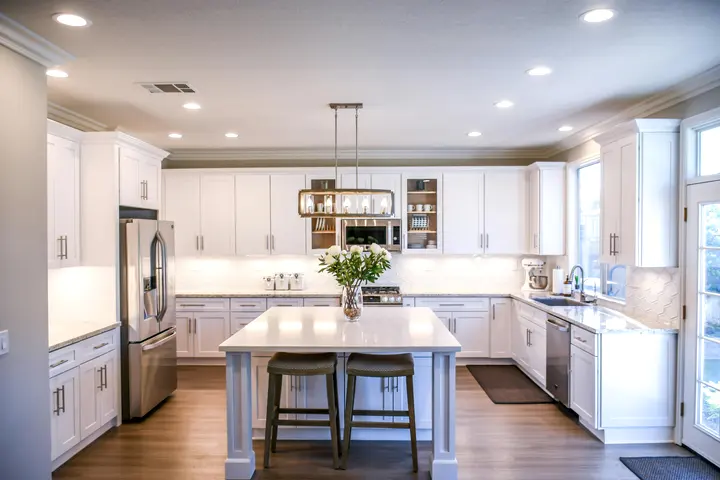
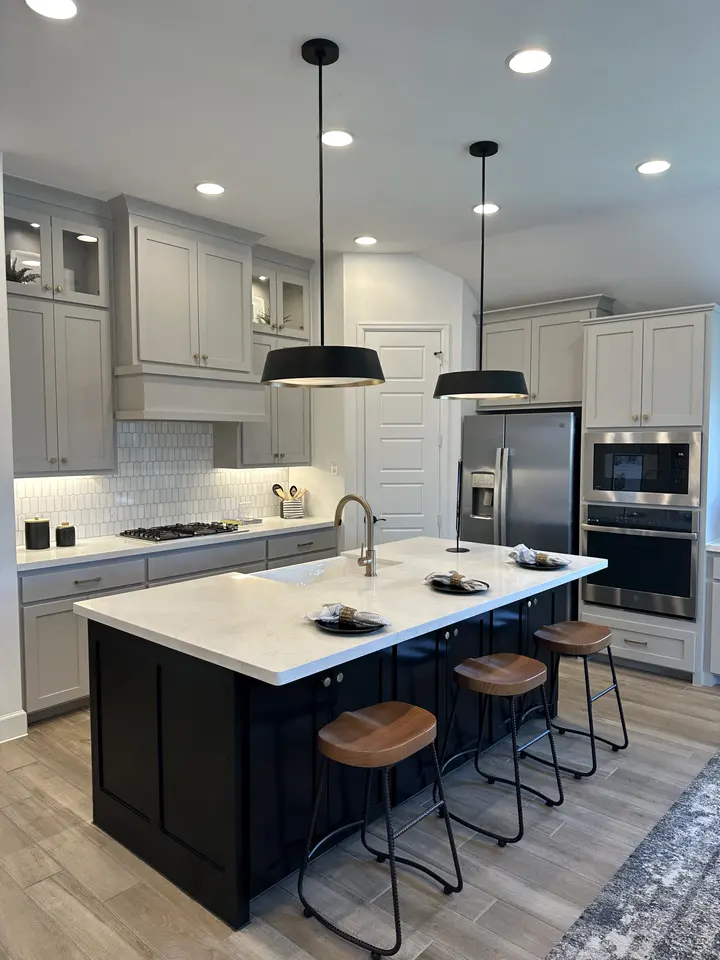
Paint your kitchen cabinets if the boxes are solid and you only dislike the color. Reface them if the boxes and layout work but you want a new door style. Replace them if the boxes are damaged, the layout does not work, or you want better storage, an island or new countertops that need a different footprint.
Key takeaways
- The condition of the cabinet boxes and how well the layout works decide the answer more than the door style does.
- Painting changes the color only, and it lasts when the prep and finish are done properly.
- Refacing keeps the existing boxes and layout but gives you new doors, drawer fronts and a new exterior surface.
- Replacement is the only option that changes layout, storage and cabinet sizes, and it usually brings new countertops with it.
Your kitchen cabinets are dated, or the finish is worn around the handles, or you simply cannot look at another oak door. But the kitchen still works, and tearing everything out feels like a big step. So you are weighing whether to reface, paint or replace kitchen cabinets, and every person you ask seems to have a strong opinion.
All three are legitimate options. They solve different problems, and the wrong one is usually the one that fixes the surface while ignoring what is underneath. Here is how to tell which one fits your kitchen, explained plainly, including the cases where the least expensive option is the right one.
Start with the boxes, not the doors
Doors are what you see, but the cabinet boxes carry the countertop, hold the sink and take the daily abuse. Before choosing, open every cabinet and look closely.
- Under the sink: look for swollen particleboard, soft spots, stains or a floor that flexes. Past leaks are common and often hidden behind cleaning supplies.
- Shelves: check for sagging, especially in wide upper cabinets that hold dishes.
- Face frames and joints: look for separation, loose joints or cabinets pulling away from the wall.
- Drawers: check whether the boxes are sturdy and whether the slides can be upgraded or are built into the cabinet.
- Material: solid wood or plywood boxes in good shape are worth keeping. Damaged particleboard is not.
Then ask yourself one question about the layout: if the cabinets looked new tomorrow, would the kitchen work for you? If the answer is yes, painting or refacing is on the table. If you wish the sink were somewhere else, the corner cabinet were usable, or you had room for an island, a new surface will not fix that.
What does painting kitchen cabinets involve?
Painting keeps the existing boxes, doors and layout and changes the color. It is the least disruptive option and usually the least expensive, and in the right kitchen it gives a genuinely fresh result.
The quality depends almost entirely on prep. Cabinets carry years of cooking grease, so they need thorough degreasing, then sanding, then a bonding primer designed to stick to previously finished surfaces. Doors and drawer fronts are usually removed, labeled and finished separately, often sprayed for a smooth surface. The paint itself should be a hard-curing enamel or cabinet-grade coating rather than ordinary wall paint.
A few limits are worth knowing. Painting does not change the door style, so a cathedral-arch or heavily raised panel door will still look like one, only in a new color. Open-grain woods such as oak show their grain through paint unless the grain is filled first. And painted cabinets need time to cure fully, so the first weeks call for gentle use. Cabinet painting falls under our interior painting service, where the same prep standards apply as on walls and trim.
Color and sheen deserve some thought. White and light neutrals show grime near handles sooner, while mid-tone and darker colors hide it better but show dust and scratches on flat surfaces. A satin or semi-gloss sheen is easier to wipe clean than a flat finish. New hardware is an easy addition, but if the new pulls use different hole spacing, the old holes need to be filled before painting.
What is cabinet refacing?
Refacing keeps the cabinet boxes where they are and replaces what you see. The exposed sides and face frames are covered with a new veneer or laminate, and the doors and drawer fronts are replaced with new ones in the style you choose. New hinges and hardware usually go on at the same time.
It sits between painting and replacement. You get a genuinely new door style, for example flat Shaker-style doors in place of dated raised panels, without the demolition, plumbing disconnection and countertop removal that come with new cabinets. Your existing countertops can often stay, which matters if they are in good shape.
Refacing has the same limit as painting: the boxes, their sizes and the layout stay as they are. If a box is water-damaged, refacing covers it rather than fixing it. Some changes, like converting a door cabinet into a drawer stack or adding pull-out organizers, may be possible, but they are limited by the existing structure.
The quality of refacing depends on the materials and the fit. Thin peel-and-stick veneers can lift at edges and corners over time, especially near the dishwasher and range where heat and steam are constant. Wood veneers and rigid laminates applied by an experienced installer hold up far better. Look closely at how the new surface wraps the face frame edges, because that is where cheaper work shows first.
When does replacing kitchen cabinets make sense?
Replacement is the most involved option and usually the most expensive, and it is also the only one that fixes function. It makes sense when:
- The boxes are damaged by water, sagging or poor original construction.
- The layout does not work, for example a dead corner, a sink in the wrong place, too little counter space, or no room to add an island.
- You want different storage, such as deep drawers instead of base cabinets with shelves, taller upper cabinets that reach the ceiling, a pantry wall or built-in appliance panels.
- You are replacing countertops anyway. Stone countertops rarely survive removal, so if you are changing cabinets you are almost always changing tops. The reverse is also true: if new stone is going on, it is a good moment to consider whether the cabinets under it will last as long as the stone.
- Appliances are changing size, which can require different cabinet openings.
Replacement also brings the chance to fix things behind the cabinets, such as old supply lines, outlets in awkward places and uneven walls. That is how we approach it on our cabinet replacement and countertop projects.
Reface, paint or replace kitchen cabinets: side by side
| Question | Paint | Reface | Replace |
|---|---|---|---|
| Changes door style | No | Yes | Yes |
| Changes layout and cabinet sizes | No | No | Yes |
| Fixes damaged boxes | No | No | Yes |
| Existing countertops can stay | Usually | Often | Rarely |
| Kitchen out of use | Shortest | Short | Longest |
| Relative cost | Lowest | Middle | Highest |
A simple way to read the table: if your only complaint is color, paint. If your complaint is style and the kitchen works, reface. If your complaint is how the kitchen works, replace. When homeowners regret a choice, it is usually because they chose a surface fix for a function problem and were still frustrated by the same kitchen, just in a new color.
There is also a middle path worth considering. Some homeowners keep their perimeter cabinets and paint them, then add a new island in a contrasting color, or replace only the cabinets around the sink where water damage has occurred. A mixed plan can work well, but it needs careful matching of door styles and finishes.
What each option means for the rest of the kitchen
Cabinets do not stand alone, and each choice pulls other parts of the kitchen along with it. Painting and refacing usually leave the countertops, backsplash, sink and flooring untouched, which keeps the project small but also means those surfaces need to look right next to the updated cabinets. A fresh white door beside a dated tile backsplash can make the backsplash look older than it did before.
Replacement opens more doors. Once the cabinets and countertops are out, it is the natural moment to replace the backsplash, add under-cabinet lighting, move outlets and decide whether the flooring runs under the new cabinets or stops at them. That broader scope takes longer and costs more, but it avoids redoing pieces later when the next surface starts to look out of place.
Think honestly about how long you plan to stay in the house. If it is a few years, a well-executed paint or refacing job is often the sensible choice. If it is the long haul, a kitchen that works properly every day is usually worth the extra disruption.
What to decide before you call for an estimate
Do the box check above and note anything damaged. Decide whether the layout works or whether you want changes such as an island, a moved sink or more drawers. Decide whether your countertops are staying, because that often settles the question on its own.
If you are leaning toward a bigger change, our full kitchen remodeling page explains how cabinets, countertops, lighting and layout come together. When you are ready to talk through your kitchen, ask for a free written estimate and we will give you a straight answer on which option fits.
Questions homeowners ask
How long does painted kitchen cabinetry last?
Properly prepared and finished cabinets can hold up well for years. The finish lasts when the surfaces are degreased, sanded, primed with a bonding primer and coated with a hard-curing cabinet enamel. Wear usually shows first around handles, the sink base and lower drawer edges. Touch-ups are simpler if you keep some of the original paint.
Should I reface, paint or replace kitchen cabinets before selling my house?
For a sale, the goal is usually a clean, current look at a sensible cost, so painting or refacing sound cabinets is often enough. Replacement is harder to justify unless the cabinets are damaged or the kitchen layout is clearly working against the house. Buyers notice water damage and broken drawers more than a door style.
Can I keep my granite countertops if I replace the cabinets?
It is possible but rarely practical. Stone countertops are fixed to the cabinets and can crack during removal, and the new cabinets would need exactly the same footprint for the old tops to fit. Most cabinet replacements include new countertops. If keeping the tops matters to you, painting or refacing is the better route.