
Wood Floors
Hardwood Flooring Installation for Slab and Wood Subfloors
Wood is the one floor that can be sanded back and refinished. It is also a natural material that moves with humidity, so how it is stored, tested and fastened decides how well it behaves.
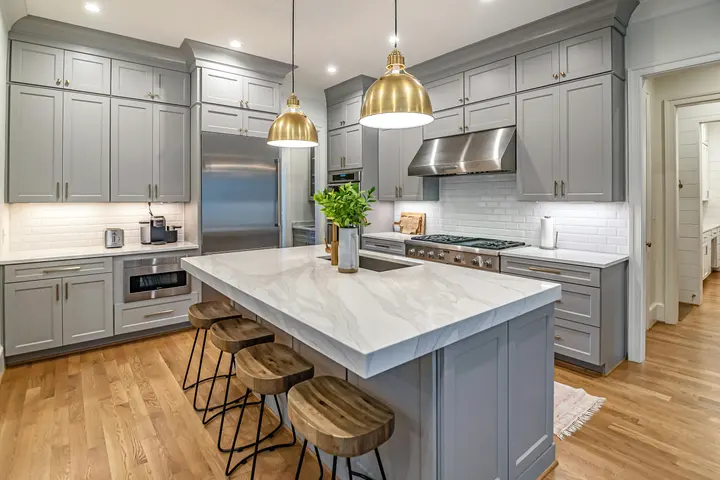
In short
Hardwood flooring installation covers choosing engineered or solid wood, acclimating it in the home, testing the slab or subfloor for moisture, and installing it by gluing, floating or nailing. It is for homeowners who want the warmth and long life of real wood in living areas, bedrooms or older homes with wood subfloors.
What is included
Engineered or solid
Help choosing between engineered wood, which suits concrete slabs, and solid wood, which needs a nailable subfloor and can be refinished more times.
Acclimation on site
Wood delivered and left in the house with the air conditioning running, so it adjusts to indoor conditions before installation begins.
Moisture testing
Concrete slabs and wood subfloors tested for moisture, with a vapor barrier or moisture-blocking adhesive used where readings call for it.
Fastening method
Glue-down or floating installation on slabs, nail-down or staple-down over plywood, matched to the product and the structure below.
Engineered or solid wood
Solid hardwood is one piece of wood through its full thickness. It can be sanded and refinished many times, which is why the original wood floors in many older homes are still in use. It needs to be nailed to a wood subfloor, and it moves more with humidity, so it is not normally installed directly on concrete.
Engineered hardwood has a real wood top layer bonded to a stable plywood or composite core. The layered construction makes it much more stable, which is why it is the usual choice for slab-on-grade homes, the most common foundation in Dallas–Fort Worth. It can be glued directly to the slab or floated over an underlayment. The thickness of the top layer decides how many times it can be refinished later.
Acclimation, moisture and installation
Wood takes on or loses moisture until it matches its surroundings. If it goes down too wet, it shrinks and gaps. If it goes down too dry, it swells and cups. So the wood is delivered, opened as the manufacturer directs and left inside with the air conditioning or heating running at normal living settings before installation.
Concrete slabs are tested for moisture, because a slab that seems dry can still release vapor that damages wood from below. Depending on readings and the product, a vapor barrier or moisture-blocking adhesive is used. Wood subfloors are checked for moisture, loose panels and squeaks, and refastened where needed.
Boards are then racked out, meaning laid loose across the room to mix lengths and color before fastening, so no one area gets all the dark boards or all the short ones. An expansion gap is left at the walls. On stairs, matching treads and nosings are fitted so the wood carries up without a break in the look.
Finish, care and where wood fits
Prefinished engineered wood arrives with a factory finish that is ready to walk on right away. Site-finished solid wood is sanded and coated after installation, which allows custom stain colors and a perfectly flat surface, but the room is out of use while the finish cures. For kitchens with lots of spills or homes with large dogs, durable vinyl plank floors are worth comparing. The full range of options is on our Dallas flooring installation page.
From our projects
See all projects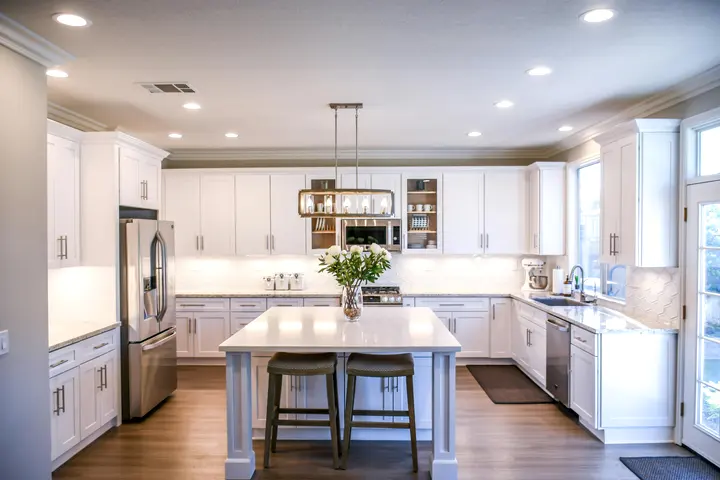
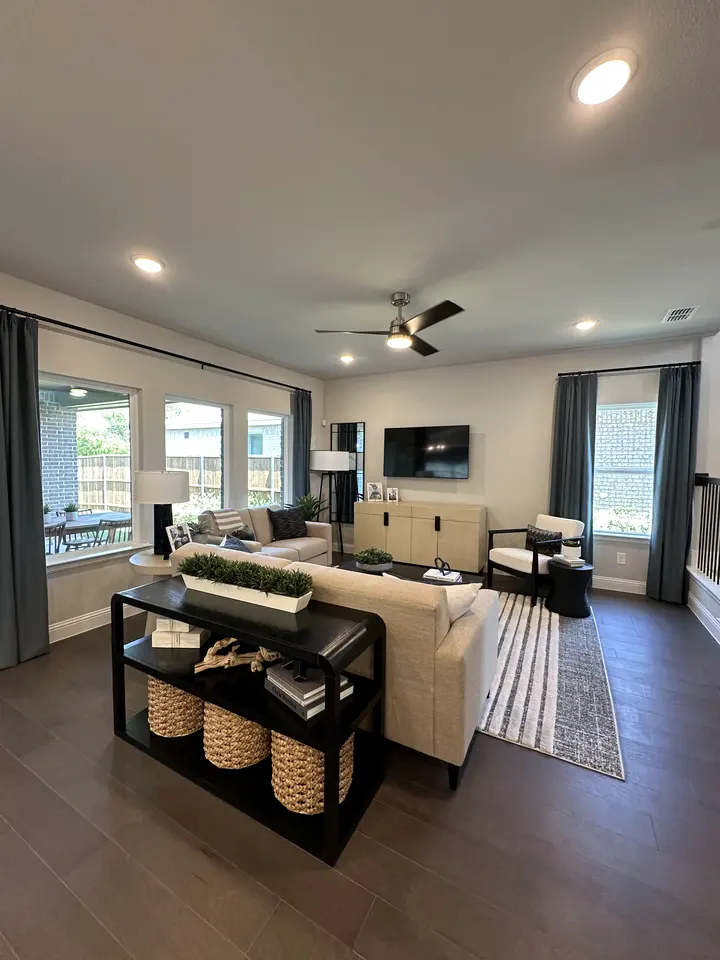
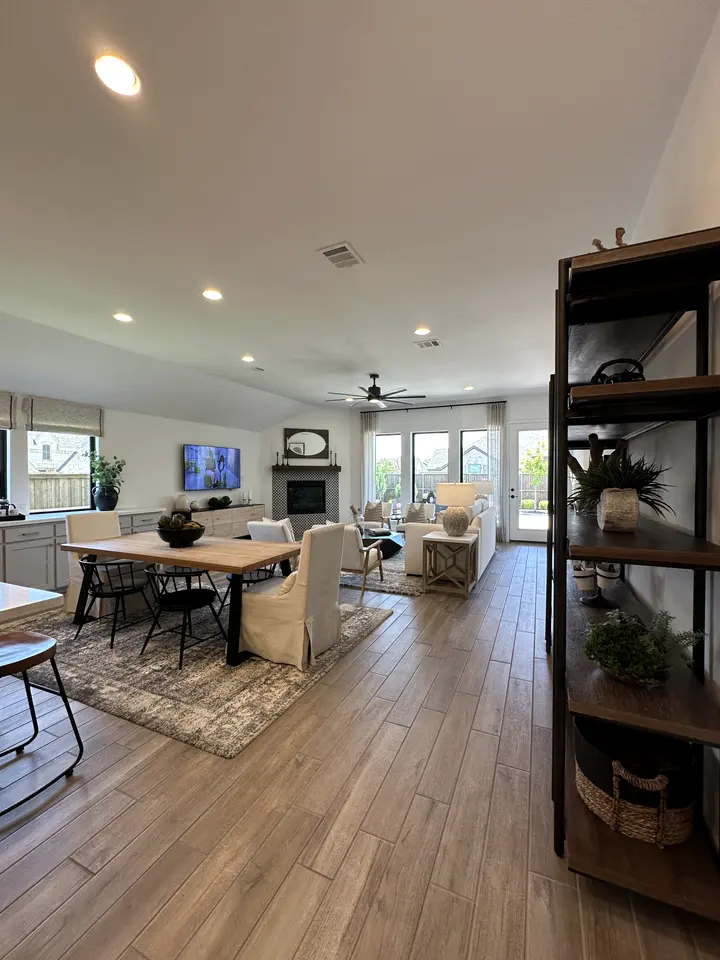
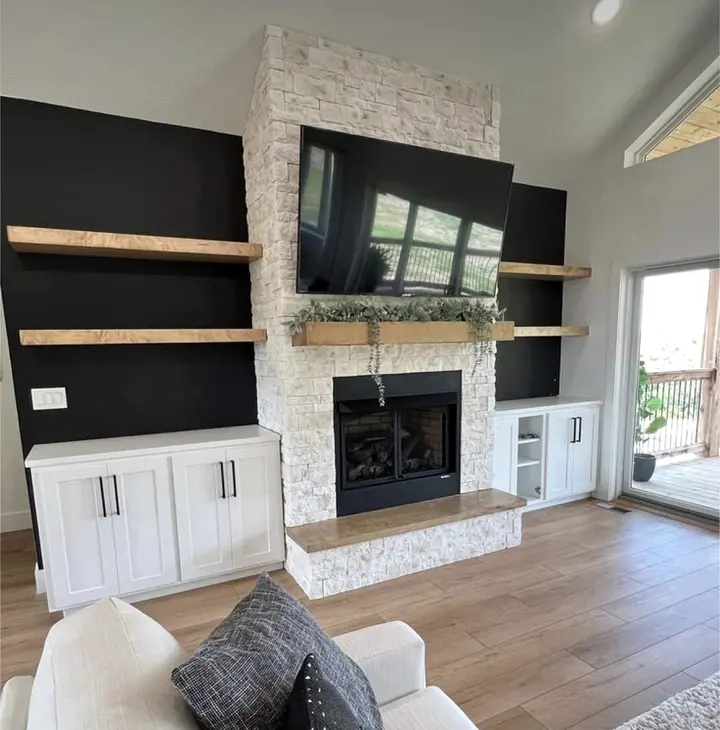
Homeowners on Legacy
From our Google reviews
Legacy Home Solutions did a fantastic job on our pre move in remodel. They replaced all the flooring, replaced all the baseboards, remodeled the master shower, and painted the whole place. And the had to delay their start day by 2 days due to our closing being delayed. Sebastian was on site daily. He is always thinking ahead to make sure everything went smoothly. We would definitely use them again.
We had a very good experience working with Sebastian and his crew. Our kitchen remodel project went very smooth and finished in a timely manner. We updated our kitchen floor tiles, installed Quartz countertops and backsplash and under cabinet lights. We highly recommend and will definitely use Legacy Home Solutions for any future projects.
Sebastian and his team did a great job making repairs to our home after having a leak. He was very transparent about timing, pricing, and always making great suggestions. They replaced all of the flooring in our bedroom and bathroom, built a brand new vanity, and made a few upgrades to the bar area! Will definitely be using them again in the future!
Can hardwood go in a kitchen?
Yes, many kitchens have wood floors, and it gives a continuous look into living areas. The trade-off is care: spills should be wiped quickly, and a mat in front of the sink and dishwasher helps. A leak under the sink can damage wood, so we check supply lines and the dishwasher connection when installing around them.
Why do wood floors sometimes show gaps in winter?
Indoor air is drier in cold months when the heating runs, and wood loses moisture and shrinks slightly. Small seasonal gaps between boards are normal and usually close again in humid weather. Keeping indoor humidity reasonably steady reduces the movement. Engineered wood moves far less than solid wood.
Can new hardwood be matched to existing wood floors?
Often, if the species and board width are known. With site-finished wood, the new and old floors can be sanded and stained together so they match. With prefinished wood, an exact match is harder, and a threshold or change in direction at a doorway is sometimes the cleaner solution.
What wood species hold up best to wear?
Harder species such as white oak and hickory resist dents better than softer ones like pine or American cherry. Wire-brushed and lightly textured surfaces hide scratches better than smooth, glossy ones. Finish matters as much as species: a durable factory finish or a well-applied site finish protects the wood more than hardness alone.
Journal
Read before you start
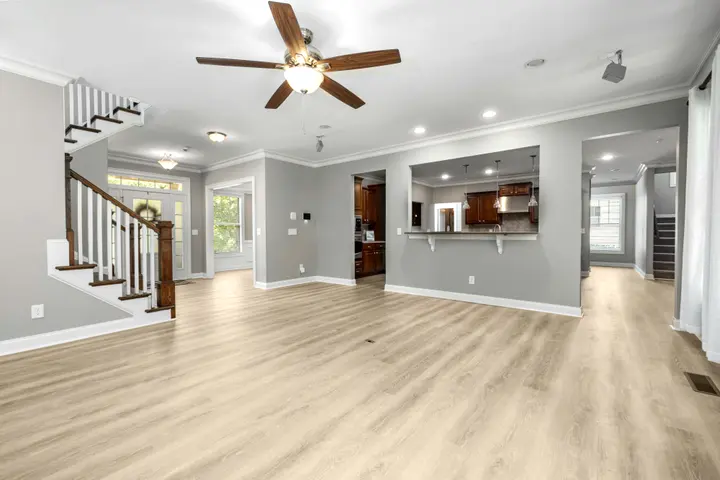 Flooring
Luxury vinyl plank vs. hardwood: which floor fits your Texas home?
Luxury vinyl plank vs. hardwood in a Dallas-Fort Worth home: how each handles water, pets, slab foundations, refinishing and daily wear, and where each fits.
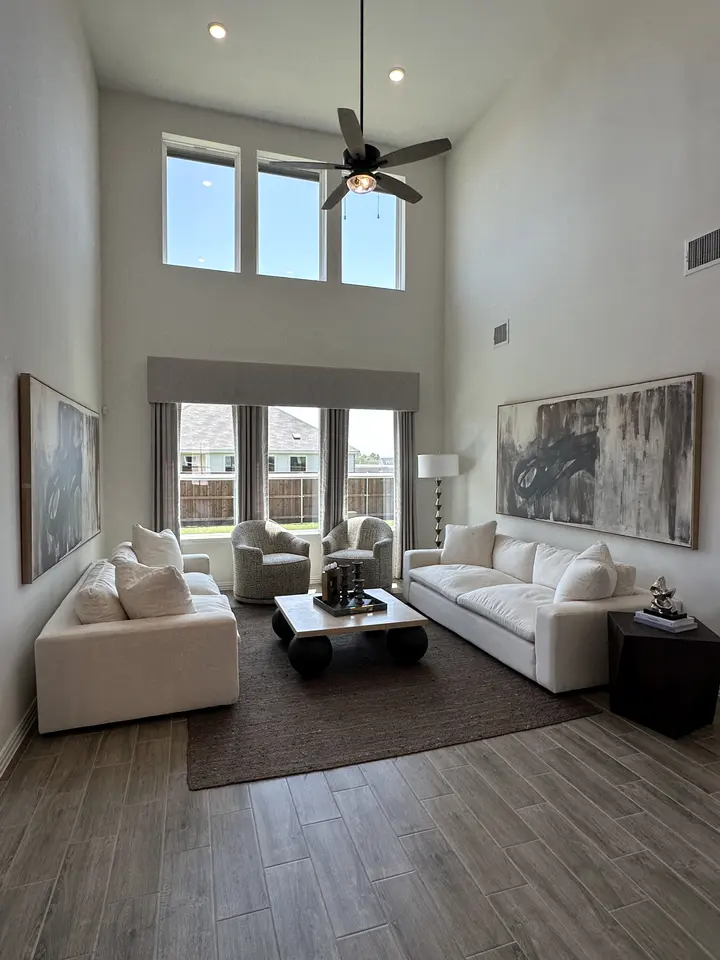 Flooring
One floor through an open floor plan: transitions, direction, layout
Running one floor through an open floor plan: which way to lay the planks, where transitions belong, long-run expansion limits, and how to handle islands.
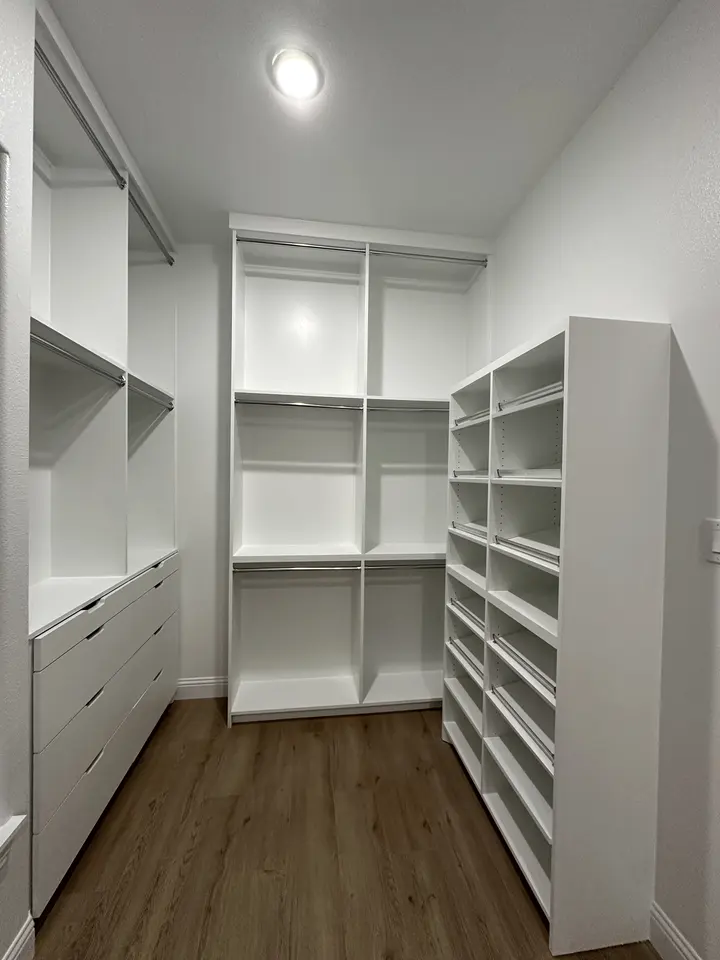 Flooring
Why floors fail: subfloor preparation explained
Subfloor preparation explained: flatness tolerance, grinding, self-leveler, slab moisture testing, underlayment and expansion gaps that keep new floors sound.
Hardwood Flooring across Dallas–Fort Worth
All service areasFree estimate
Tell us about the room. We will tell you what it takes.
A free visit, honest options and a written estimate you can hold us to.