
Painting Services
House Painting in Dallas, Inside and Out
Paint itself is the smallest part of a paint job. What you are really paying for is the patching, sanding, caulking and priming underneath, and the care taken around everything that should not get paint on it.
In short
House painting covers interior walls, ceilings, trim and doors, exterior siding, trim and fascia, and feature work such as accent walls and decorative wall panels. It is for Dallas–Fort Worth homeowners dealing with scuffed or dated rooms, peeling or sun-faded exteriors, or plain walls that need a focal point.
What the work includes
Interior walls and ceilings
Rooms prepared, patched and painted in the sheen that suits each space, with crisp cut lines at ceilings, trim and cabinets and furniture fully protected.
Trim, doors and cabinets
Baseboards, casings, crown and interior doors sanded, caulked and finished in a harder-wearing enamel that stands up to hands, shoes and cleaning.
Exterior siding and trim
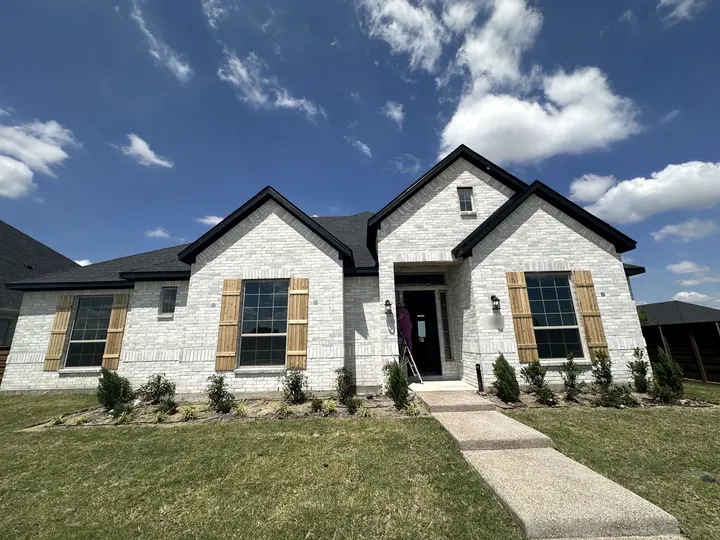
Washing, scraping, repairing soft wood, caulking and spot priming before two finish coats on siding, trim, fascia, soffits, doors and shutters.
Accent walls
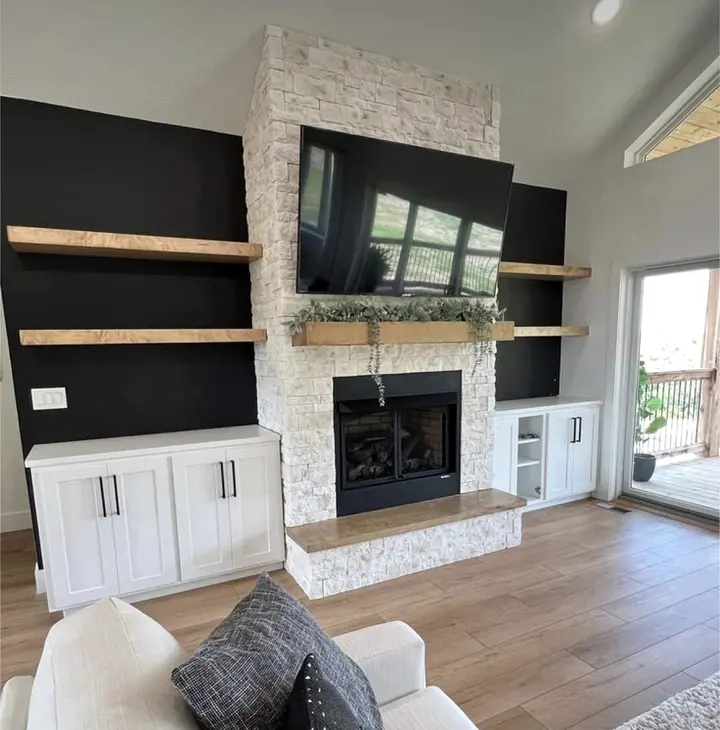
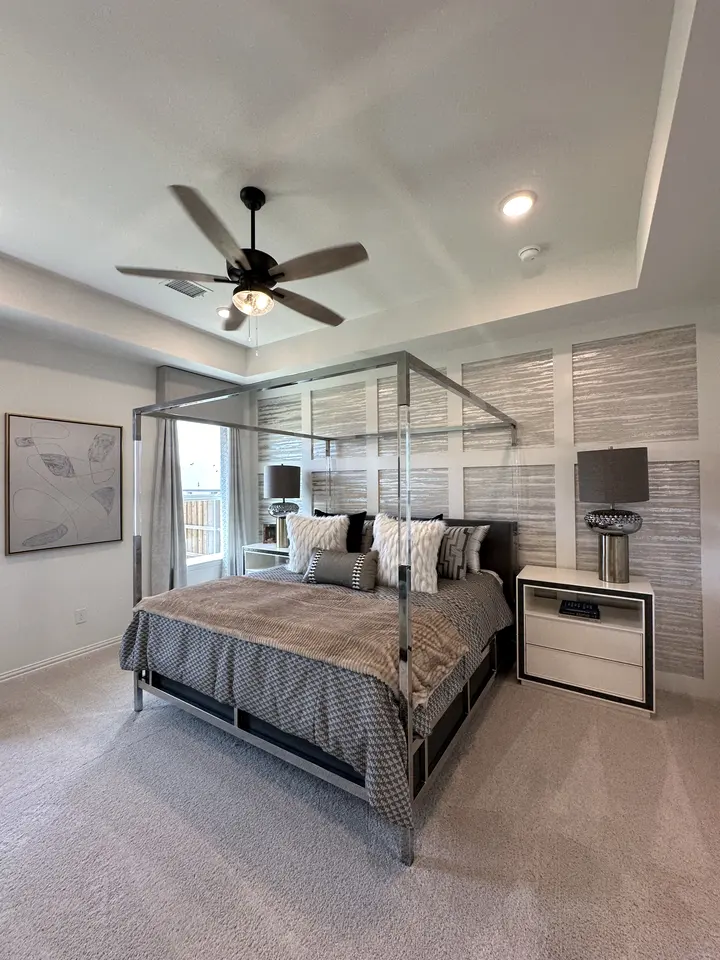
A single wall in a deeper color, or a painted feature that sets off a fireplace, bed wall, stair or dining area without overwhelming the room.
Decorative wall panels
Board and batten, picture-frame molding, shiplap and slat walls built, caulked and painted so they read as part of the house, not an add-on.
Color and sheen guidance
Help choosing colors in your actual light, with sample patches on the wall and a sheen plan so each surface gets the right finish.
Prep is most of the job
Walk into a freshly painted room and look along a wall toward the window. If the patches show as dull squares, the nail holes pucker and the corners have a bead of cracked caulk, the painter skipped prep. The color might be right, but the room still looks unfinished.
Good painting starts with moving and covering furniture, masking floors and fixtures, and then filling, sanding and spot-priming every repair. Gaps between trim and wall are caulked. Glossy surfaces are scuffed so the new coat bonds. Only then does color go on, usually in two coats so the finish is even and the color reads true. Those steps take longer than rolling paint, and they are the reason a paint job still looks good years later.
Choosing the right sheen
Sheen matters as much as color. Higher sheens are easier to clean but show every dent and patch. Lower sheens hide flaws but mark more easily. Here is how the common sheens are usually used.
| Sheen | Typical surfaces | Pros | Cons |
|---|---|---|---|
| Flat | Ceilings, low-traffic walls | Hides surface flaws best, no glare | Scuffs and marks are hard to wash off |
| Matte | Living rooms, bedrooms, dining rooms | Soft, rich look with a bit more washability than flat | Still not ideal for kids' rooms or hallways |
| Eggshell | Hallways, family rooms, most walls | Good balance of cleanability and flaw hiding | Shows roller marks if applied poorly |
| Satin | Kitchens, bathrooms, kids' rooms, exterior siding | Handles moisture and scrubbing well | Highlights patches and uneven drywall |
| Semi-gloss | Trim, doors, cabinets, exterior trim | Hard, durable, easy to wipe | Reveals every dent and brush mark, so prep must be thorough |
Interior, exterior and feature walls
Interior work is about precision and protecting the house you live in. Cut lines at the ceiling, clean edges on trim, doors that close without sticking to fresh paint. Our interior painting for walls, ceilings and trim page covers room-by-room choices and what we protect along the way.
Exterior work in North Texas is about the sun and the weather. West- and south-facing walls fade and chalk first, wood trim near the ground softens, and caulk shrinks away from joints. The exterior house painting process explains how wood repair, caulking and product choice affect how long the finish holds.
Sometimes a house does not need every wall repainted, just one that gives a room its point. A dark accent behind a bed, board and batten on a stair wall, or a slat panel around a TV can do more than a full repaint. See accent walls and wall paneling for styles that work in different rooms.
What affects a painting estimate
The size of the house is the obvious factor. The less obvious ones are ceiling height, the amount of trim and doors, the condition of the surfaces and how drastic the color change is. Going from a deep red to a pale gray needs primer and extra coats. Rooms full of furniture take longer to protect than empty ones.
On the exterior, the amount of wood repair, the number of stories and how much trim is in reach of a ladder all shape the number. Older homes can also carry lead-based paint under newer coats, which has to be tested for before any sanding or scraping. Your written estimate lists which surfaces are included, how many coats and what prep is planned.
Projects
Work from this trade
 Painting
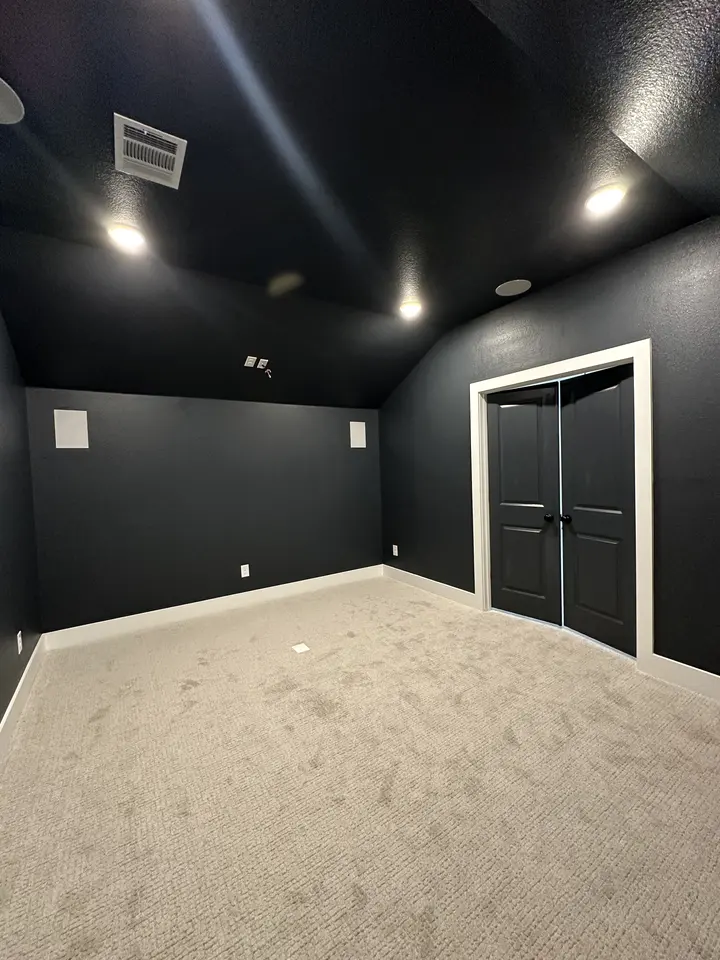
A media room painted deep navy, ceiling included
Walls, ceiling and doors in one dark color with crisp white trim, for a room that is meant to disappear when the lights go down.
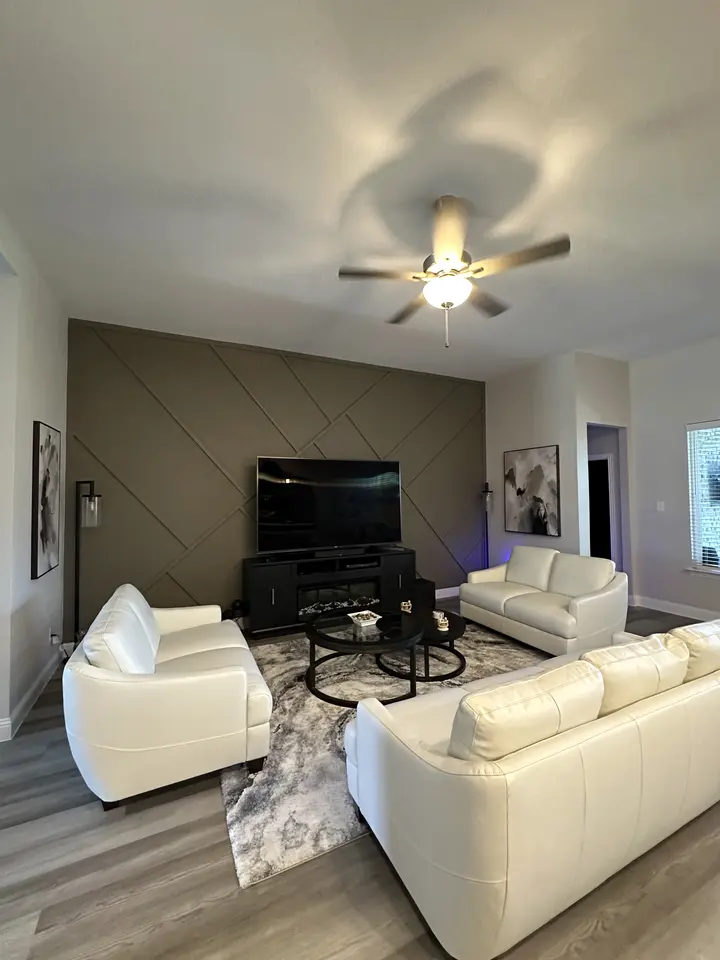
PaintingA diagonal panel accent wall in one warm color
Trim boards laid out in a diagonal pattern and painted the same color as the wall, so the pattern reads as texture rather than stripes.
On site
How a house painting project runs
Protect everything
Furniture is moved and covered, floors are masked with drop cloths, and outlets, fixtures and hardware are removed or taped before any sanding starts.
Repair and prime
Holes, cracks and dents are filled and sanded, gaps are caulked, stains and bare patches are spot-primed, and glossy surfaces are scuffed for adhesion.
Apply finish coats
Ceilings first, then walls, then trim and doors, each in its own sheen, with two coats for an even finish and true color.
Detail and walkthrough
Edges are touched up, hardware and covers go back on, furniture is returned, and we walk each room with you under normal lighting.
Specialties
Painting, in more detail
Homeowners on Legacy
From our Google reviews
Legacy Home Solutions did a fantastic job on our pre move in remodel. They replaced all the flooring, replaced all the baseboards, remodeled the master shower, and painted the whole place. And the had to delay their start day by 2 days due to our closing being delayed. Sebastian was on site daily. He is always thinking ahead to make sure everything went smoothly. We would definitely use them again.
Very professional and prompt. Excellent results, great quality. Would absolutely recommend. Used for both carpeting and painting!
Sebastian and his crew were great to work with! All my inquiries were answered promptly. The work done was neat and precise and looked really good. So happy with the work that we are consulting to have other work done.
How many coats of paint does a room need?
Two finish coats is the usual standard for walls and trim. One coat can look fine on day one but tends to show thin spots in raking light. A strong color change, a new patch or bare drywall may also need primer first. We note the planned number of coats on your estimate so there is no guessing.
Do I need to pick colors before the estimate?
No. The estimate depends mostly on surfaces, condition and prep, not on the exact color. It helps to know whether you are going much darker or much lighter, because that can change primer and coat count. Final colors can be chosen after sample patches go up on your walls in your own light.
Can you paint while we are living in the house?
Yes, and most interior painting happens that way. We work room by room so you are never locked out of the whole house, keep furniture covered and put rooms back together each evening. Modern low-odor paints make it much easier to stay home during the work.
Should the ceiling be painted when we repaint the walls?
If the ceiling is yellowed, water-stained or patched, yes. Fresh walls next to a dull ceiling make the ceiling look worse. Ceilings are painted first so any drips land on surfaces that are still to be painted. A flat ceiling paint hides the small waves and seams that most drywall ceilings have.
Is it better to paint or replace old trim and doors?
Sound trim and solid doors almost always paint well once they are cleaned, sanded, filled and caulked. Replacement makes sense when trim is split, water-damaged or the profile no longer suits the house. Hollow doors that are dented or delaminating are also better replaced than repainted.
Journal
Read before you start
PaintingPainting a room dark: how to make deep colors work
Painting a room dark works when the ceiling, sheen, lighting and trim are planned together. How to pick a deep color that feels rich instead of cramped.
PaintingAccent wall ideas: board and batten, diagonal panels and more
Accent wall ideas that go past a single paint color: board and batten, diagonal panels, picture-frame molding and stacked stone, and where each one works.
 Painting
Interior paint sheens: flat, eggshell, satin or semi-gloss?
Interior paint sheens decide how a wall looks, cleans and hides flaws. Where flat, matte, eggshell, satin and semi-gloss belong, room by room, and why.
House Painting across Dallas–Fort Worth
All service areas
Free estimate
Tell us about the room. We will tell you what it takes.
A free visit, honest options and a written estimate you can hold us to.