
Floor Tile
Tile Flooring Installation That Stays Flat and Crack-Free
Tile is the hardest-wearing floor you can put in a house. It is also rigid, so it depends completely on the base beneath it and on how the layout handles the room's edges.
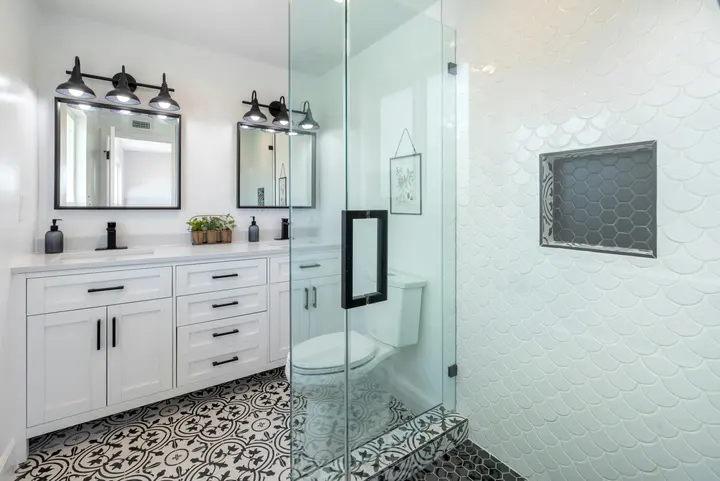
In short
Tile flooring installation means removing the old floor, flattening the slab, adding a crack-isolation or uncoupling membrane where needed, and setting porcelain or ceramic tile in a planned layout. It is for bathrooms, laundry rooms, entries and kitchens where water resistance and durability matter more than warmth underfoot.
What is included
Base preparation
The slab is cleaned, flattened and checked for cracks, so large tiles sit fully supported instead of rocking over high spots or hollows.
Crack isolation membrane
A membrane laid between slab and tile where needed, so small slab movement does not transfer straight through into cracked tile and grout.
Planned tile layout
Layout set from the room's center lines and doorways, with balanced cuts at the walls and pattern choices that suit the size of the room.
Grout and finishing
Consistent joints with leveling clips on large tile, grout chosen for color and stain resistance, and movement joints where the floor meets walls.
Why tile floors crack, and how to prevent it
North Texas clay soil expands and shrinks with moisture, and slabs built on it move and develop hairline cracks. A crack in the concrete will often telegraph straight up through rigid tile. That is why tile floors crack along a straight line across a room, often years after installation.
Prevention happens before tile goes down. Existing slab cracks are identified and treated, and an uncoupling or crack-isolation membrane is laid between the slab and the tile in areas that need it. Movement joints, filled with flexible sealant instead of grout, are left at walls and in large open areas so the floor can move slightly without breaking. Most tile manufacturers and industry guidelines call for these joints; they are simply skipped on rushed jobs.
Large-format tile and layout
Large porcelain tiles are popular because fewer grout lines make a room look larger and cleaner. They also demand the flattest base, because a long tile will rock over even a small hump. The slab is ground and leveled, tiles are back-buttered so they are fully covered with mortar, and leveling clips keep the edges of neighboring tiles even.
Layout is planned before the first tile is set. Tiles are dry-laid from the center of the room and adjusted so the cuts at opposite walls are balanced and no slivers appear at doorways. A staggered pattern with long rectangular tiles is typically limited to a small offset to avoid uneven edges from the slight bow many long tiles have. In a bathroom, the layout is coordinated with the shower floor and vanity so lines carry through.
Choosing where tile belongs
Porcelain is denser and absorbs very little water, which makes it the better choice for floors, bathrooms and entries. Ceramic is softer and lighter, and it suits walls or low-traffic floors. Wood-look porcelain gives a plank floor that can go in a bathroom or laundry without worry. If you would rather have something softer and quieter underfoot in living areas, vinyl plank flooring gives a similar look with more give. To compare tile with vinyl, laminate and wood for other rooms, visit the guide to floor types and installation.
From our projects
See all projects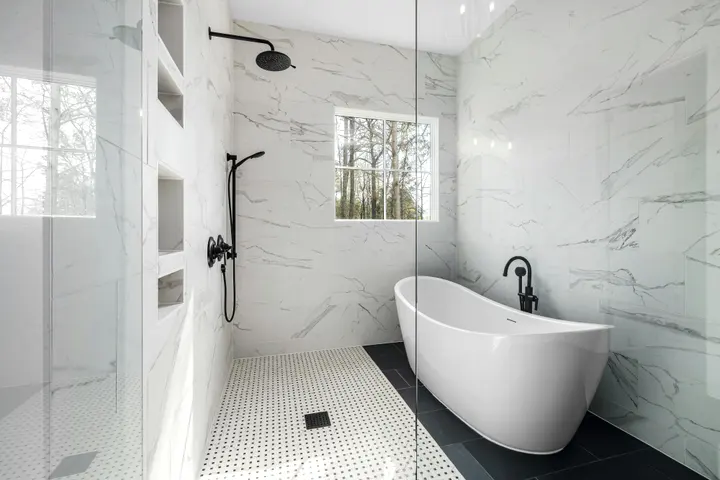
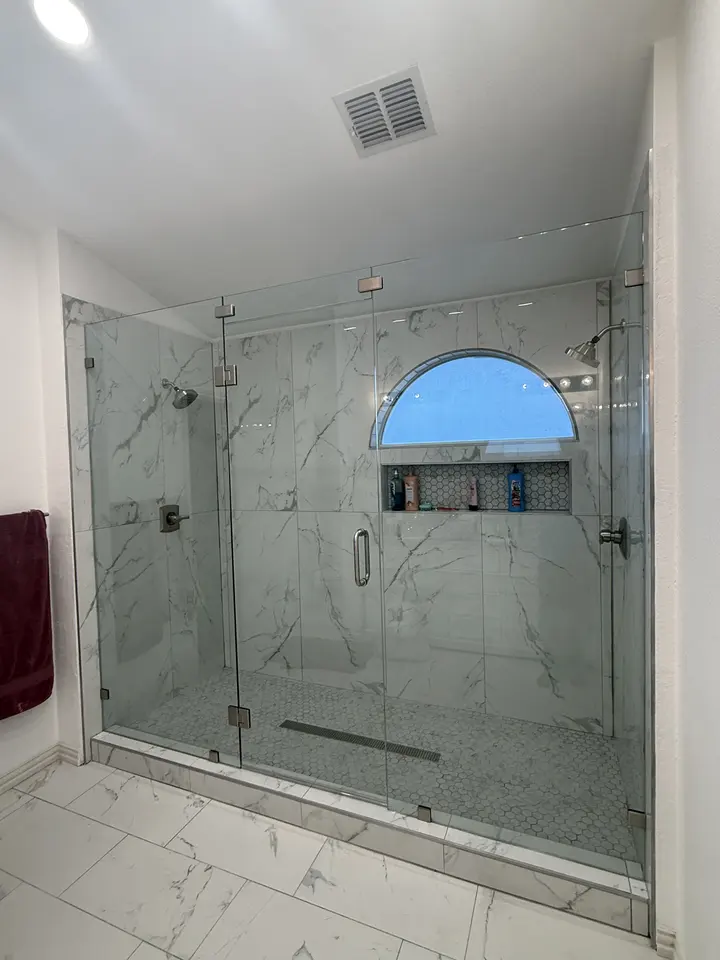
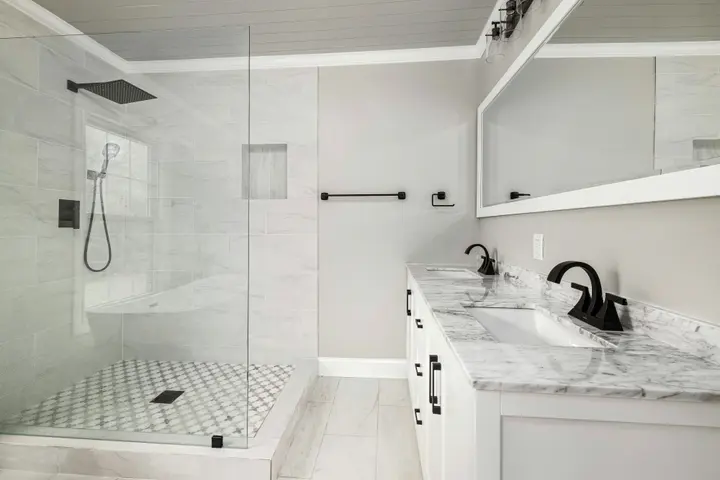
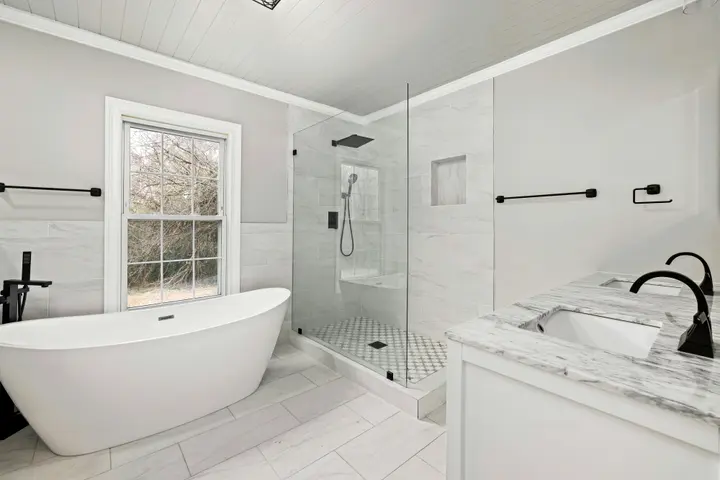
Homeowners on Legacy
From our Google reviews
Legacy Home Solutions did a fantastic job on our pre move in remodel. They replaced all the flooring, replaced all the baseboards, remodeled the master shower, and painted the whole place. And the had to delay their start day by 2 days due to our closing being delayed. Sebastian was on site daily. He is always thinking ahead to make sure everything went smoothly. We would definitely use them again.
We had a very good experience working with Sebastian and his crew. Our kitchen remodel project went very smooth and finished in a timely manner. We updated our kitchen floor tiles, installed Quartz countertops and backsplash and under cabinet lights. We highly recommend and will definitely use Legacy Home Solutions for any future projects.
Sebastian and his team did a great job making repairs to our home after having a leak. He was very transparent about timing, pricing, and always making great suggestions. They replaced all of the flooring in our bedroom and bathroom, built a brand new vanity, and made a few upgrades to the bar area! Will definitely be using them again in the future!
Is tile too cold or hard for living areas?
Tile does feel cooler and harder than wood or vinyl, which many Texas homeowners appreciate in hot months. Rugs soften seating areas. For people who stand in the kitchen for long periods, a cushioned mat at the sink or range makes a noticeable difference. In bedrooms, most people choose a warmer floor.
How slippery is porcelain floor tile when wet?
It depends on the surface finish. Polished tile is the most slippery when wet, while matte, honed or lightly textured surfaces give better grip. For bathrooms and entries, a matte or textured finish is the practical choice. Small mosaic tiles on a shower floor add grip because the extra grout lines give your feet more traction.
Can tile be installed over an old vinyl or linoleum floor?
It is not a good idea. Old sheet vinyl is soft and flexible, which tile needs its base to avoid. The old flooring and adhesive are removed down to the slab or subfloor first. Some older sheet flooring and its adhesive can contain asbestos, so if the floor is old, testing it before removal is the safe step.
What is the difference between rectified and non-rectified tile?
Rectified tiles are cut after firing so every piece has precise, square edges, which allows very narrow grout joints. Non-rectified tiles have softer, slightly irregular edges and need wider joints to absorb size variation. Large-format porcelain is usually rectified, while many ceramic and handmade-look tiles are not.
Journal
Read before you start
FlooringWood-look tile vs. luxury vinyl plank
Wood-look tile vs. luxury vinyl plank: how porcelain plank tile and LVP compare on durability, comfort, water, install time and slab movement in DFW homes.
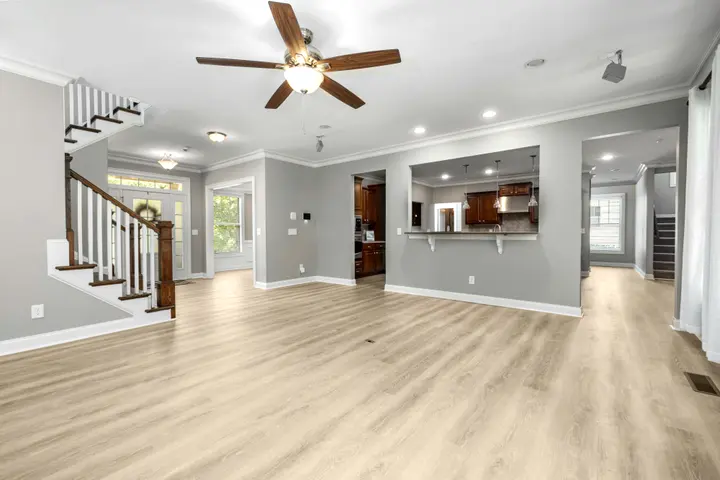 Flooring
Luxury vinyl plank vs. hardwood: which floor fits your Texas home?
Luxury vinyl plank vs. hardwood in a Dallas-Fort Worth home: how each handles water, pets, slab foundations, refinishing and daily wear, and where each fits.
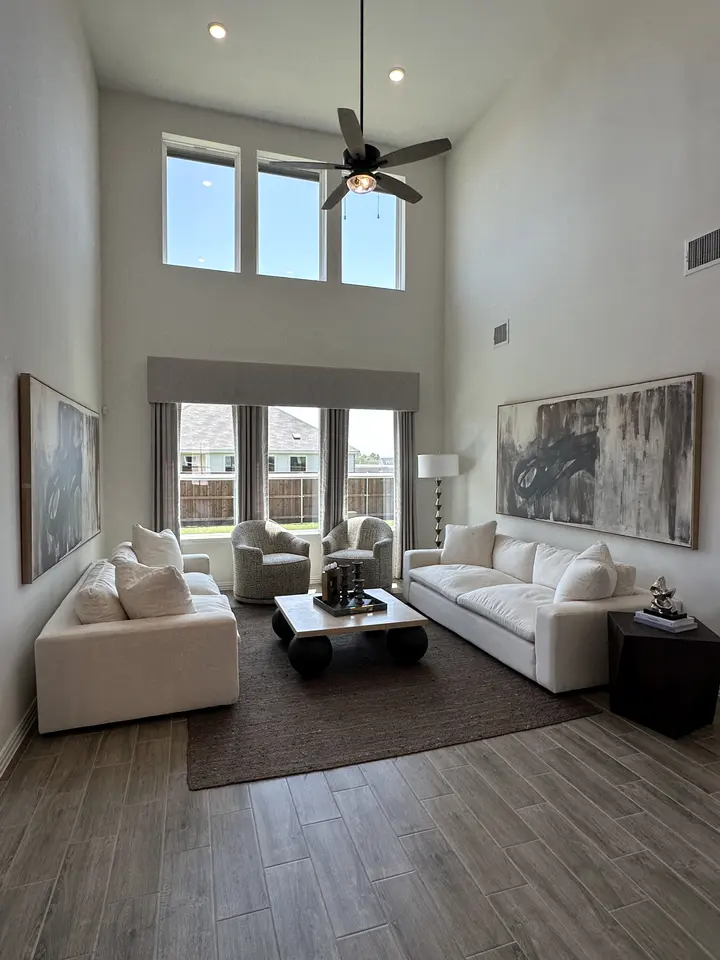 Flooring
One floor through an open floor plan: transitions, direction, layout
Running one floor through an open floor plan: which way to lay the planks, where transitions belong, long-run expansion limits, and how to handle islands.
Tile Flooring across Dallas–Fort Worth
All service areas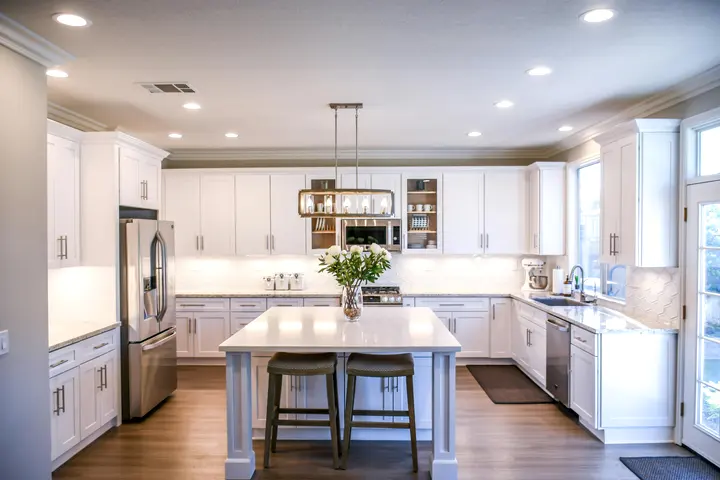
Free estimate
Tell us about the room. We will tell you what it takes.
A free visit, honest options and a written estimate you can hold us to.